Food Temperature Monitoring
Food temperature monitoring is essential for businesses operating in storage, distribution, and food service. Maintaining stable temperature conditions ensures food safety and compliance with hygiene regulations, protecting both products and end consumers.
Alfakom offers innovative solutions for food temperature measurement and recording through advanced temperature sensors.
Our system monitors everything for you — keeping you fully informed at all times.
Continuous monitoring of sudden temperature or humidity fluctuations
Instant alerts when predefined limits are exceeded, enabling immediate corrective action
Notifications via email, SMS, or push notifications within the application
Multiple alert recipients supported
Why Is Food Temperature Monitoring Important?
Food safety is a global priority. Contaminated or improperly stored food can cause serious health risks, which is why food handling and storage are strictly regulated and monitored.
The World Health Organization emphasizes the importance of proper storage temperatures as a key safety measure.
Proper food temperature monitoring plays a decisive role in preserving freshness and product quality. Deviations from acceptable limits may lead to spoilage and public health risks. Continuous logging allows businesses to detect issues early and take preventive action.
Food Temperature Recording Legislation
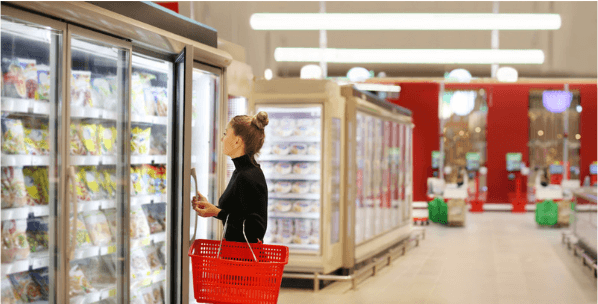
According to food safety regulations for temperature recording in food-related establishments, all businesses must monitor and record refrigeration temperatures daily, as these records are subject to inspection by public health authorities.
The temperature log file is a mandatory compliance document that must be maintained by each business. It includes recorded temperatures for refrigerators, freezers, and heated holding units.
Maintaining a complete temperature history simplifies inspections and certification processes. Recorded data can serve as official documentation proving that proper storage conditions are maintained, strengthening the credibility of the business.
Using Sensors for Refrigeration Temperature Recording
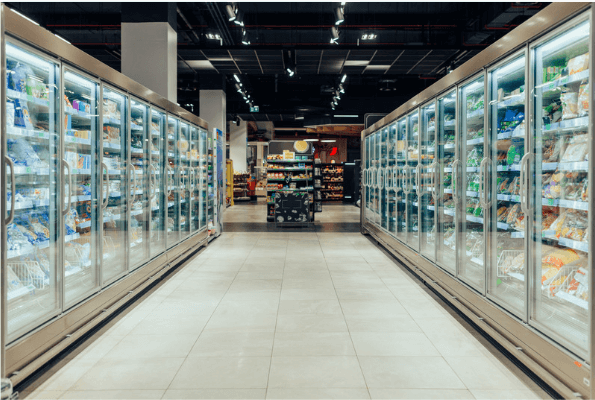
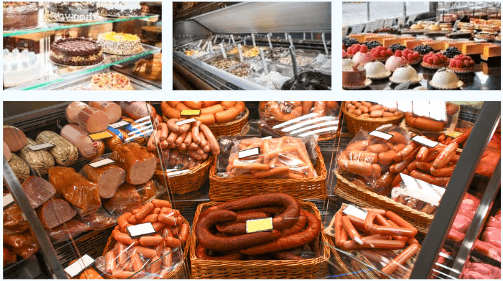
An effective solution for temperature logging in retail refrigeration systems is the use of remote temperature sensors.
This approach helps:
Prevent food spoilage during power interruptions
Reduce manual temperature logging time
Ensure compliance with public health regulations
Predict refrigeration equipment failures through remote monitoring
Maintain cold chain integrity
Alfakom temperature sensors provide a wide measurement range and transmit real-time data, making them ideal for food storage monitoring.
How Food Temperature Monitoring Works
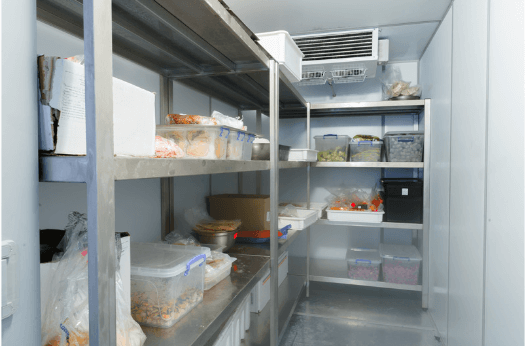
Technically, the temperature monitoring solution is based on wireless temperature sensors installed inside retail refrigeration units.
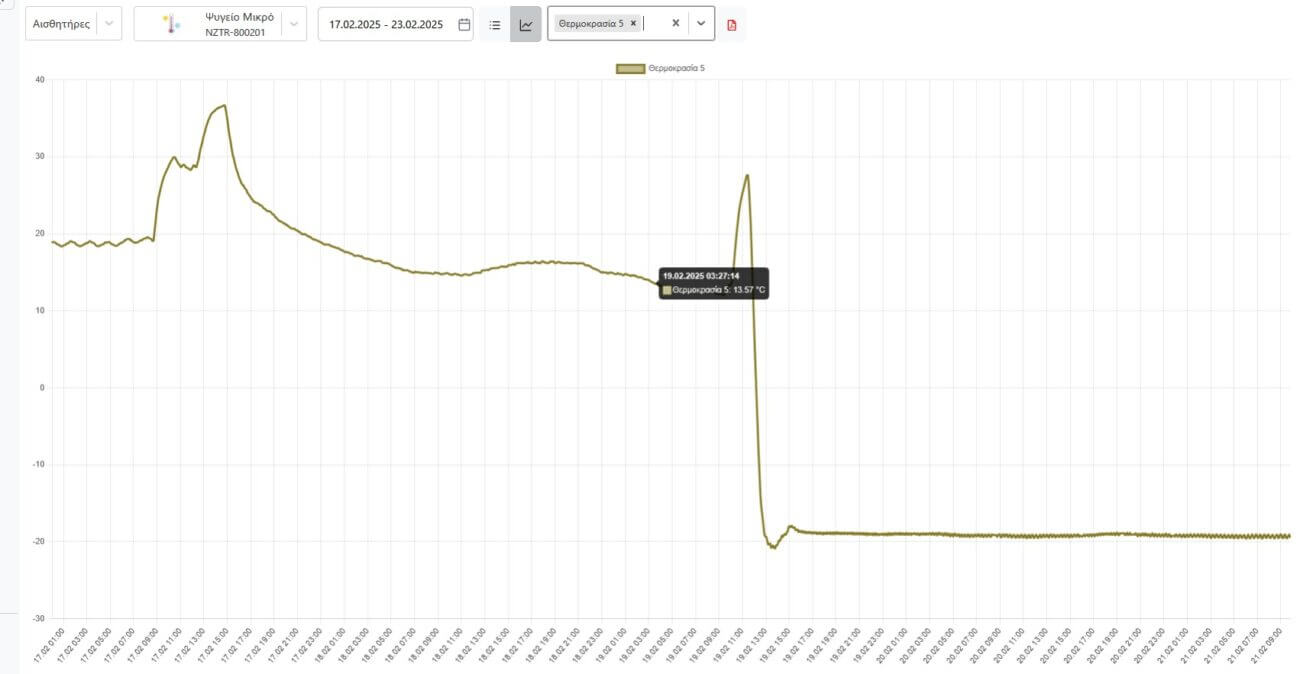
These fully autonomous sensors measure and record temperatures at predefined intervals (logging interval, threshold settings, and calibration).
Equipped with Bluetooth Low Energy (BLE) technology, temperature history can be easily retrieved through an industrial Bluetooth gateway.
If a temperature threshold is exceeded, a notification is sent instantly to the responsible person’s smartphone and/or computer.
Alfakom Cold Chain Monitoring Solutions
Alfakom provides a comprehensive solution for recording and monitoring temperatures at various points across the cold chain.
Customers can:
Customize measurement frequency based on operational needs
Receive instant alerts via email, SMS, or mobile notifications
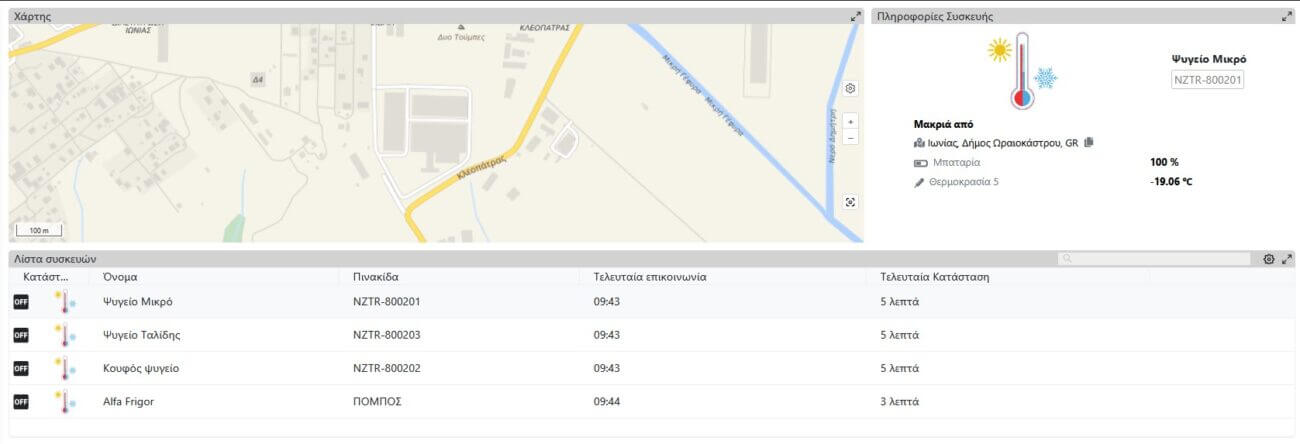
Monitor real-time temperature data via a user-friendly management interface
Access full historical temperature records
Generate customized analytical reports